

Quick timeline for context:
December 27, 2024 – I published a long-form LinkedIn article breaking down vehicle-as-weapon attacks, updated trends, and exactly why holiday crowds remain the #1 softest of soft targets. (full article repeated below)
January 1, 2025 – New Orleans Bourbon Street attack. 15 dead, 50+ injured. Truck. Zero effective barriers. Exactly the scenario I had just written about.
I hate being right on that one.
Fast-forward to last weekend: I took the family to our local mall Christmas parade and tree-lighting. Kids, floats, candy, lights – all the normal holiday stuff.
I live in a very safe community. The event was for families and a Christmas celebration. Why should you or I ever be worried?
I think you will be surprised that terrorists have access to a wide variety of resources, such as an ISIS newsletter that provides easy how-to kill the infidel and their families during the holidays infographics, and other dangerous and evil how-to lessons. It’s a fact. They don’t hide it, and I have the receipts. This is one of the reasons you need resources like this newsletter to protect yourself.
“It can’t possibly happen to me,” thinking has killed a lot of innocent people.
For this post, I am throwing a lot at you as a Holiday present: The Gift of Survival S.M.A.A.R.T.S., geared towards holiday events.
I will cover:
A few points from my recent event
My article on vehicle attacks from last year
A video covering the first half of my webinar on vehicle attacks focused on simple planning and preparation for any event, including the holidays.
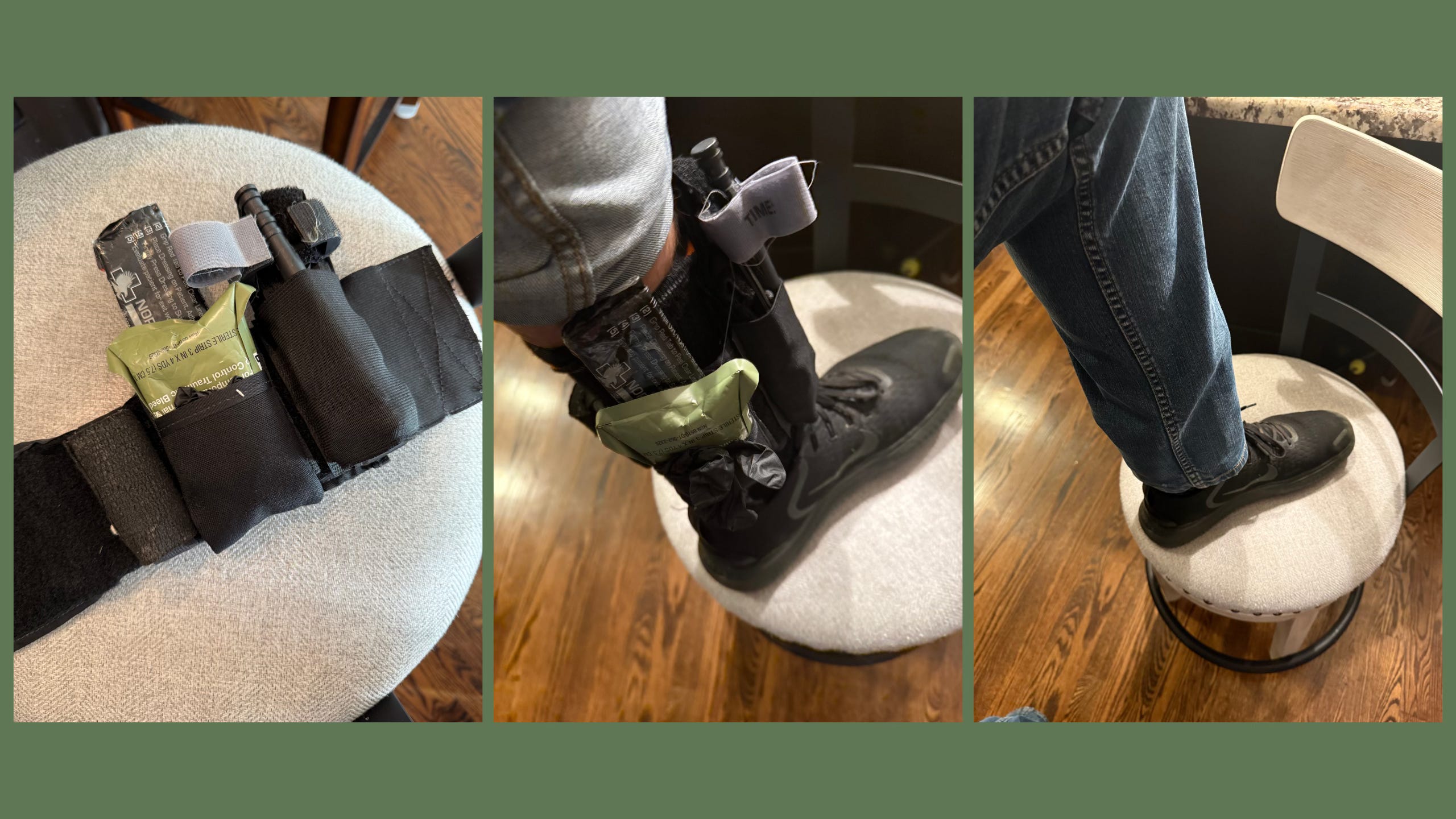
Before attending, knowing that holidays are times of increased risk of attacks, I prep a few items and make sure I have my ankle medical kit, a flashlight in my pocket, and that my wife and I are both armed. But more importantly, we hit a few items on my emergency action plan, called the Tactical Twos, as we travel there. We reviewed a few more points on-site and had our oldest repeat the key rally points, escape routes, and comms plan.
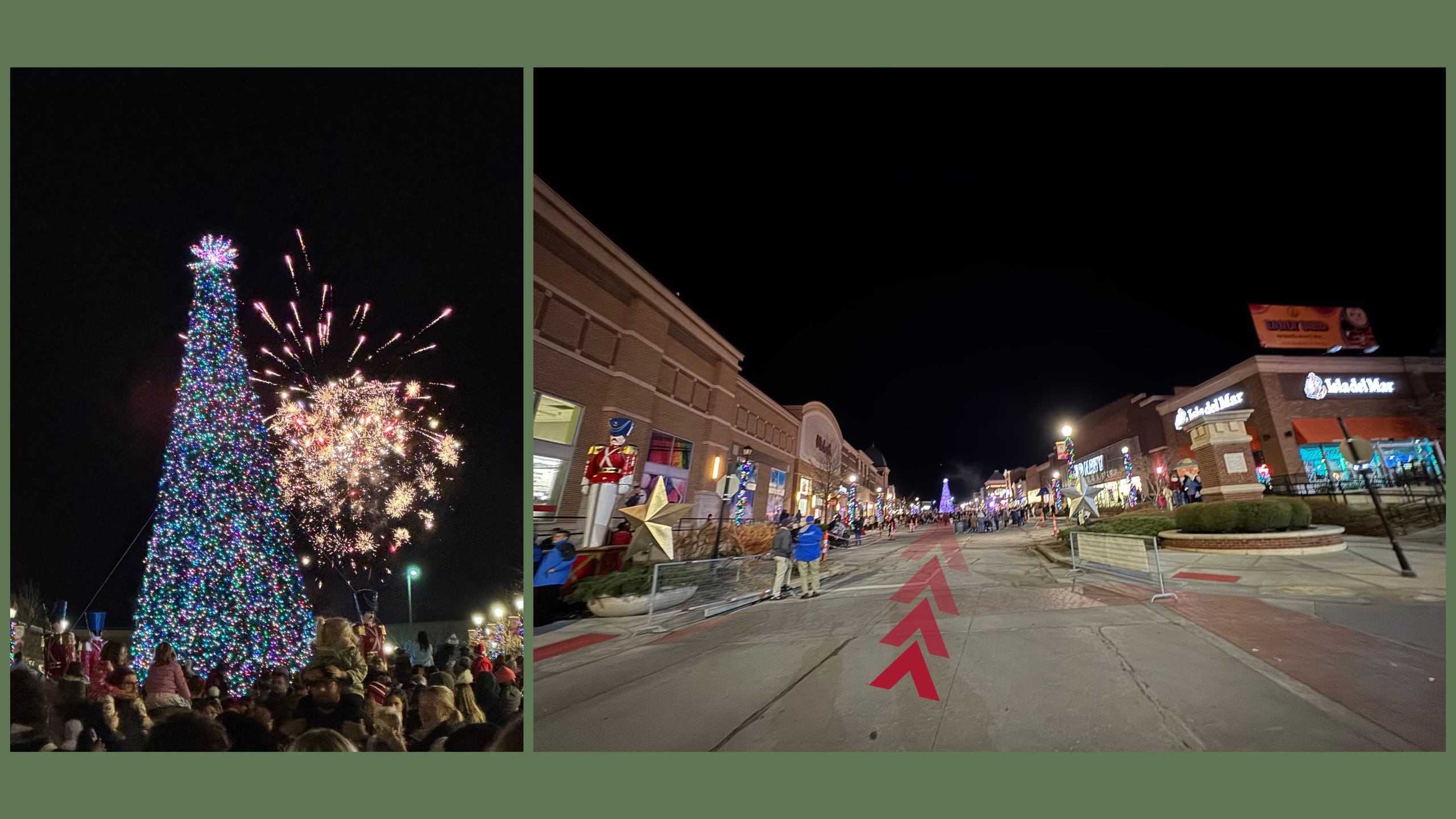
Within minutes of arriving and seeing what was in front of me, my brain defaulted to the exact slides from my own Vehicle-as-Weapon Defense seminar. Every single ingredient for the next high-body-count ramming was present:
Large, dense crowd, mostly unaware; I did see a few guys who I thought were carrying concealed, and they seemed like they were capable and observant. (awesome!)
Multiple straight, channelized roads feeding directly into the parade route and tree-lighting area. Not so awesome.
Zero hardened barriers, bollards, or even parked police cruisers blocking vehicle access. The bigger problem is that they opened it all up at the worst possible time. (see below).
Hundreds of backs turned to the most likely attack vectors
Did this make me paranoid? No, truthfully, my fear level was near zero, but I was a little extra cautious, and my awareness was elevated at times.
I was confident that if chaos unfolded, my family would be able to act when others were going to panic. I enjoyed the show at about the 99% level, keeping that 1% effort working mostly in the background. I did my part as a protector. No one around us had a clue we were doing anything except enjoying the night.
The only time I really did anything active was to remind my wife of a few key points, as the crowd poured into the middle of the street at the end of the parade to watch the tree lighting:
Remember the near rally points (off the street barricade areas)
Pay a little attention to her “six.”
Remember the key indicators of a vehicle attack: engines revving, the sounds of a collision, and people screaming and running.
Move laterally and jump over the railing onto the sidewalk, and do not run straight back if a vehicle barrels through.
She was 100% focused on the perfect picture with the little ones and the tree. She took a quick look at the unprotected entrance right off a fairly busy street to acknowledge what I said and still got a great shot.
You can find the Tactical Twos checklist in some of my other newsletters and in posts about free resources for paid subscribers. Understand that a little preparation and planning go a long way. It should not feel like a burden for most activities.
Also, you can get it in my Street Ready 30-Day challenge. Link: here. Thank you to those of you who were beta-testers or first-time buyers. Look for a survey about the product I emailed you.
Previous Article (Slightly Edited):
Balancing Preparedness and Parades
Vehicle attacks are sudden, devastating, and often leave little time for reaction. Recent events, like the tragic Christmas market attack in Germany, emphasize the importance of preparation and awareness in public spaces. These attacks happen quickly, and without a plan, even a fraction of a second wasted can have serious consequences.
Events likely to attract vehicle attacks include religious holidays, parades, and occasions that bring crowds into open streets. Your goal at these events is to have fun, relax, and enjoy yourself safely—without excessive worry. However, it’s important to “respect the risk” and earn your safety. Freedom comes with constant responsibility and daily debt, and unfortunately, some will exploit that freedom to cause harm, often targeting moments when we are at our most carefree.
Hopefully the information in this article will help you increase your safety and protect your loved ones by covering basic response strategies, mental preparation, and actionable techniques like the Tactical Twos and earning your Condition White. Preparation isn’t about living in fear—it’s about empowerment, confidence, and having the tools to face potential threats. Everyone deserves to enjoy holidays and public events without overwhelming worry, and these tips aim to strike that balance.
Why Vehicle Attacks Are So Dangerous
Vehicle attacks have become a common tactic for those seeking to inflict mass harm. Crowded spaces, open streets, and public events are prime targets because they allow attackers to weaponize a car or truck, striking multiple people in seconds.
Most people are unaware that vehicles often cause greater devastation than firearms in mass casualty events. For example, in 2016, an attacker in Nice, France, killed 86 people and injured 434 in a matter of minutes. This tragedy was mitigated only by the bravery of bystanders who delayed the attacker and ultimately from the bullets of police. Similarly, on November 21, 2021, a crazed attacker in Waukesha, Wisconsin, deliberately drove through a Christmas parade, killing six and injuring 62. These attacks happen everywhere and are actually encouraged by terrorist groups.
Many people don’t consider vehicles as potential weapons until it’s too late, leaving them vulnerable in open spaces. Recognizing this threat and mentally rehearsing your response can save lives.
Immediate Response to Vehicle Attacks
If a vehicle attack begins near you, follow these steps to maximize your chances of survival:
• Get Off the X: The “X” is the point of impact. You cannot outrun a car. Instead, move laterally (to the side) and seek hard cover or move deep inside a structure quickly.
• Seek Hard Barriers: Cement walls, large planters, poles, or the corners of buildings can shield you from a vehicle’s path. Avoid soft barriers like bushes or wooden fences.
• Avoid Channelized Spaces: Areas like alleyways or between parked cars can trap you, making escape more difficult.
• Stay Alert for Secondary Attacks: Many attackers escalate with follow-up actions, such as exiting the vehicle armed with weapons. One trainee who learned the methodology I teach earned a presidential award for stopping a terrorist on a campus who initiated an attack by wrecking a car before transitioning to a knife assault that injured 13 people. The attacker in France was also armed with a handgun. Always ensure the scene is safe before rushing to help someone in a vehicle crash—expect additional attacks, also known as the “plus one rule.”
The Tactical Twos: Your Emergency Action Plan
From my course, The Tactical Twos: Your Personal and Family Emergency Action Plan for Active Threats and Other Crises, this framework offers a simple, actionable checklist to stay prepared in any environment. It encompasses the basics of alerting, running, hiding, fighting, and providing aid in various crises. Here are a few key elements:
• Two Safe Havens: Identify two nearby locations that offer protection, such as sturdy barriers or secure building entrances. Plan rally points ahead of time and brief your group on what to do if separated.
• Two Escape Routes: Always know two ways to exit any area. Crowds, debris, or attackers may block one path, making a backup essential.
• Two Areas of Potential Threat: Note two key places where an attack could likely begin, such as entry points or choke points. Regularly scan these areas and reassess for changes.
• Two Trauma Kits: Keep one trauma kit in your car and another with you, ideally in a bag, purse, or even on an ankle rig. In mass casualty events, first responders may be delayed, and having the tools to stop severe bleeding can save lives.
Mental Rehearsal: Avoiding Condition Black
Condition Black is a state of mental overload where fear and panic render you unable to act effectively. The easiest way to end up in Condition Black is to miss all the in-between levels of alertness. To avoid this, use mental rehearsal and visualization techniques to get into action quickly.
Before attending an event, take a moment to visualize potential threats and how you would respond: Imagine spotting an oncoming vehicle early and moving your family to safety. What are the first sights and sounds that might alert you? Rehearse issuing a “red alert” signal, such as shouting, “Get to cover!” or “Follow me!” Picture using sturdy barriers for protection and identify multiple escape routes.
Mental rehearsal creates a mental “program” for your brain to follow in a crisis, reducing response time and confusion. Without it, your mind may struggle to orient itself and act under pressure.
Earning Your Condition White
Condition White is the relaxed state we enjoy at public events—a time to let your guard down and have fun. However, entering this state without preparation leaves you vulnerable. To enjoy Condition White safely, you must earn it:
• Plan Ahead: Know the layout of the event. Identify safe havens, escape routes, and barriers. Share your plan with your family.
• Trust Your Instincts: Act on anything that feels off. Don’t dismiss unusual sights or sounds, such as revving engines, panicked screams, or a driver staring into a crowd.
• Quick Scan: Upon arrival, conduct a 10-second scan to establish a baseline for what’s normal and note any anomalies. You may have to do this a few times if you change activities or locations.
• Condition Orange Check: Before fully relaxing, elevate your awareness briefly to actively look for anything suspicious. This will also help you mentally check off a few more items from the Tactical Twos.
• Recalibrate: If you’ve been in Condition White for too long, shift back to Condition Yellow periodically to refresh your situational awareness. Enjoy yourself, but take notice when you’ve lost situational awareness for too long.
By earning your Condition White, you can enjoy the event while staying prepared for the unexpected.
Fun With the Security of Preparation
Emergency preparation doesn’t have to feel grim or fear-based. It can be a meaningful way to connect with your family. Practice your plans together, review the Tactical Twos, and make identifying safe havens and escape routes a fun challenge. While it takes effort early on, these practices become second nature and can be applied to many situations.
In an unpredictable world, preparation lays the foundation for peace of mind—and when peace isn’t possible, every ounce of preparation magnifies the power of your response.
Be capable and confident in a crisis.
The video above is the first 20 minutes of my Vehicle-as-Weapon Defense seminar – the same material running through my head that night. Watch it with a family member, then make some cookies or throw snowballs at each other.
Enjoy the holidays with your people.
Just take 60 seconds to brief them before the next parade or event.
Stay alert, stay alive, and still have fun.
Trevor
OSS | Threat-Proof
P.S. Please let me know if you are interested in a live webinar event covering vehicle attacks and general preparedness for almost any active threat situation or crisis.


